How professionals pack fragile items for UK house moves
Fragile packing sounds simple until you are standing in a kitchen surrounded by plates, glasses, picture frames, lamps, and that one awkward vase nobody quite trusts. That is where professional packing makes a real difference. In How professionals pack fragile items for UK house moves, the aim is not just to wrap things neatly; it is to reduce movement, absorb shock, and make unpacking far less stressful on the other side.
If you have ever heard the clink of glass in a box and thought, "that doesn't sound promising," you already understand the problem. Professionals pack for the journey, not just for the box. They think about the stairs, the van ride, the weather, the lift at the other end, and the fact that a box can be turned on its side at the worst possible moment. Let's face it, moving day has enough drama without broken crockery joining in.
This guide breaks down the methods, materials, common mistakes, and practical standards professionals use so you can pack better yourself or judge whether you want help from a team offering packing and boxes as part of a house move. You will also find a checklist, a comparison table, and a realistic look at when professional packing is worth it.
Why How professionals pack fragile items for UK house moves Matters
Fragile items are usually the things people are most attached to and the least prepared to pack properly. China from a wedding gift, framed photos, glassware, mirrors, a coffee machine, heirlooms, speakers, and ornaments all behave differently in transit. Some need cushioning. Some need rigidity. Some need both, annoyingly.
In UK house moves, the risk is not just rough handling. It is the whole chain: narrow hallways, shared stairwells, awkward parking, rain, stop-start van journeys, and boxes that may be stacked under heavier loads. A well-packed fragile box can handle that. A poorly packed one may look fine until it is lifted and the bottom flexes. That tiny bit of flex is where accidents begin.
Professional packing matters because it balances protection with efficiency. Too much padding wastes space and can leave items shifting around. Too little padding creates pressure points and impact damage. The right method gives each item support, fills voids, and keeps weight manageable. That is the real craft here.
It also matters for peace of mind. If you are already juggling completion dates, keys, utility handovers, and last-minute label chaos, having someone pack breakables properly can take a surprising amount of pressure off the day. To be fair, there is only so much wrapping paper one person should have to wrestle at 10pm.
How How professionals pack fragile items for UK house moves Works
Professional fragile packing is a sequence, not a single technique. The work starts with sorting the items by fragility, shape, weight, and value. A box of mugs is not packed the same way as a mirror or a set of wine glasses. Professionals usually group similar items together so the box behaves predictably.
The next step is selecting the right box. Strong, double-walled cartons are common for delicate items, especially if the box will be stacked. Smaller boxes are often better than large ones for heavy breakables because they reduce the chance of overloading and minimise internal movement. Big boxes might seem convenient, but they can become unwieldy very quickly.
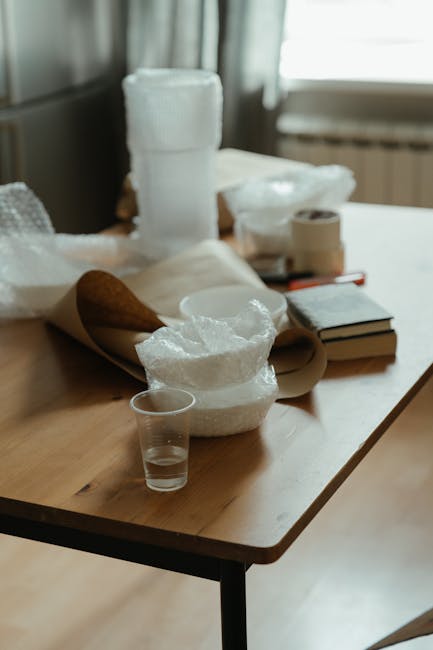
Then comes wrapping. Professionals usually use a layer of protective paper or packing paper around each item before adding bubble wrap or other cushioning where needed. The point is to create separation so items do not tap against one another. Plates may be wrapped individually or stacked with cushioning between each one. Glasses are often stuffed and wrapped to support the inside and outside at the same time. Mirrors and frames typically need corner protection and a sturdier outer package.
Void fill is another big one. Any empty space in a box allows movement, and movement is what causes breakage. Crumpled paper, soft packing material, or additional padding is used to stop the contents from sliding. The box should feel snug, but not crushed. Snug is good. Crushed is not.
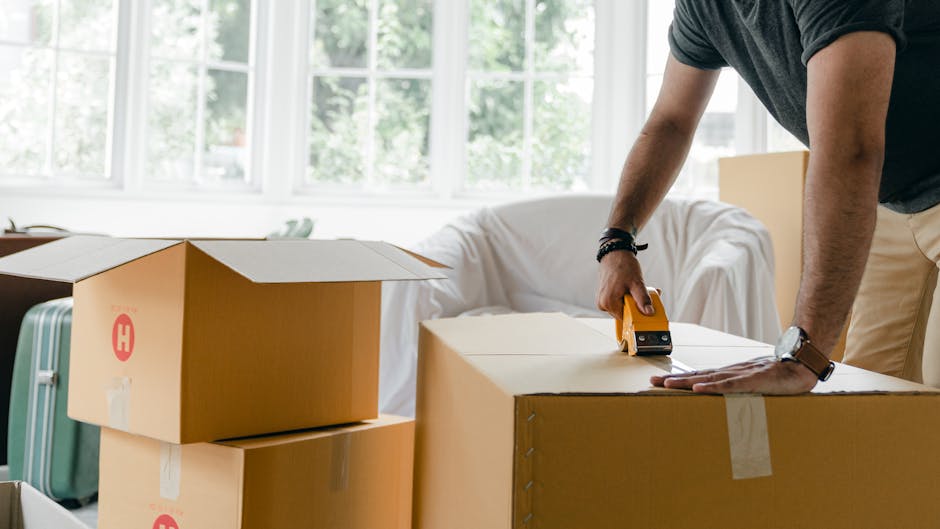
Finally, professionals seal, label, and load the box with care. Labels usually indicate fragility, the room destination, and sometimes the correct upright position. In a busy move, that simple mark can stop a box from being placed under something far too heavy. Small detail, big consequence.
Key Benefits and Practical Advantages
Professional packing is not only about preventing damage. It changes the whole moving experience in a few very practical ways.
- Less breakage risk: Proper cushioning and box selection reduce impact damage and vibration damage during transport.
- Faster loading and unloading: Clearly labelled, well-organised boxes are easier to handle, which helps the move flow more smoothly.
- Better use of space: Professional packers know how to fill boxes safely without wasting room or creating dangerous weight imbalances.
- Less stress on the day: When the fragile items are already sorted, wrapped, and stacked properly, you are not making rushed decisions at the door.
- Cleaner unpacking: A sensible packing system means you can find the plates, kettle, or lamp shades without opening every box in the house.
There is also a subtle but important benefit: professionals pack with the move itself in mind. If you are using a man and van service for a smaller move or booking a larger removal services package, the packing approach may differ depending on vehicle space, journey length, and access at both properties. That kind of matching makes the whole move feel calmer.
Expert summary: Good fragile packing is really about control. Control over movement, control over weight, and control over what happens when boxes are shifted, stacked, or carried through tight spaces.
Who This Is For and When It Makes Sense
Not every move needs full professional packing, but fragile items are where the decision becomes easier. If you own a lot of glassware, artwork, ceramics, musical equipment, display items, or sentimental pieces, help is often worth considering.
This is especially sensible if:
- you are moving from a flat with stairs or awkward access
- your move is on a tight timeline
- you have limited packing experience
- you are moving valuable or sentimental items
- you are relocating with children, work deadlines, or both
- you want a smoother handover on moving day
People moving from a smaller property often underestimate the pressure of packing breakables into fewer boxes. That can happen in a flat removals move especially, where storage space is tight and furniture may already dominate the load. Likewise, students or short-term renters sometimes assume fragile packing is not worth the fuss, then end up improvising with supermarket bags and old newspapers. Truth be told, that usually ends the way you would expect.
Professional packing is also useful if you need your move to stay on schedule. A team can wrap, label, and load quickly without cutting corners. For busy families, older homeowners, or business owners juggling a work move alongside household logistics, that efficiency can be the difference between a messy day and a manageable one.
Step-by-Step Guidance
If you want to understand what professionals actually do, this is the practical sequence. It is not glamorous, but it works.
- Sort by fragility and shape. Group similar items together. Glasses, plates, ornaments, frames, and electronics should not all end up in the same "miscellaneous" box.
- Choose the right carton. Use smaller, stronger boxes for heavy fragile items. A large box full of crockery is a recipe for trouble.
- Prepare the box base. Add cushioning at the bottom before anything goes in. This creates a shock-absorbing layer for loading and transport.
- Wrap each item properly. Use packing paper for surface protection, then add extra wrapping where the item is especially delicate.
- Protect weak points. Corners, handles, stems, and lids need extra attention. That is where damage often starts.
- Fill voids. Nothing should rattle. If you can hear movement when you tilt the box gently, add more padding.
- Keep weight balanced. Put heavier fragile items lower in the box, with lighter pieces above where suitable.
- Seal firmly. Use strong tape on the bottom and top seams. A box that opens during lifting is a nightmare nobody needs.
- Label clearly. Mark the contents, destination room, and if needed, which way up the box should stay.
- Load carefully. Keep fragile boxes upright, away from heavy furniture, and where they will not be crushed during transit.
A practical example: a set of six wine glasses might be wrapped individually, placed upright in a divided box or cushioned nested layer, with paper stuffed inside each bowl. That sounds a bit fussy until you realise the alternative is trying to explain a broken stem to yourself later. Not ideal.
For more structured support during the packing stage, some households use packing and unpacking services so the fragile items are packed once, unpacked once, and handled by the same trained team. That can be a relief if you are short on time or confidence.
Expert Tips for Better Results
Professionals do a few small things consistently that make a big difference. None of them are fancy, but they add up.
Use more small boxes than fewer huge ones. It is tempting to fill one large box and be done with it. But smaller boxes are easier to carry, less likely to collapse, and much easier to stack safely. Your back will thank you as well.
Don't reuse weak cardboard for fragile items. A box that has already softened, dented, or absorbed moisture loses strength fast. In a damp UK hallway or after a rainy loading run, that matters more than people think.
Pack plates vertically where possible. Plates are usually stronger on edge than flat under pressure. Professionals often separate them with paper or cushioning so they do not grind against one another.
Stuff glasses and cups with care. A little interior support reduces the chance of cracking from pressure or impact. It is a small step that saves a lot of disappointment.
Keep a "last on, first off" box for essentials. Your most used fragile items, like a kettle, a few mugs, or a lamp, may need to be unpacked early. If that box is clear, the first night in the new place feels less like camping indoors.
Watch for moisture and weather. In the UK, a sudden downpour can turn an unprotected packing session into a soggy mess. Keep paper and boxes off the floor if possible, and don't leave open cartons near an outer door.
Use an organised room plan. Label boxes by room and contents so unpacking does not become a guessing game. Nobody enjoys opening four boxes to find the coffee cups.
If the move includes bulky delicate pieces like a piano, a specialist approach is wiser than standard packing. In those cases, services such as piano removals are built around weight distribution, protection, and safe handling rather than ordinary box packing.
Common Mistakes to Avoid
Most damage to fragile items is predictable. That is the annoying part. People often know something feels wrong, but carry on because the clock is ticking.
- Overfilling boxes: Too much weight turns a simple lift into a strain and increases the chance of dropped items.
- Leaving empty space: Movement inside the box leads to chips, cracks, and corner damage.
- Using newspaper on delicate surfaces: Ink transfer and poor cushioning are both common problems.
- Mixing heavy and light breakables: A heavy mug can crush a lighter ornament if the box shifts.
- Forgetting to label top and fragile sides: Boxes that look identical create confusion during loading.
- Packing items too tightly: Yes, movement is bad, but pressure is bad too. The balance matters.
- Not sealing the base properly: Bottom failure is one of the simplest and most preventable causes of damage.
Another common mistake is assuming "fragile" labels do all the work. They do not. A label is a reminder, not magic. If a box is packed badly, the label just adds irony.
And one more: leaving fragile packing until the final evening. By that stage, you are tired, distracted, and surrounded by half-packed rooms. If you can start on breakables early, do it. Your future self will be grateful, probably more than you realise right now.
Tools, Resources and Recommendations
The right kit makes packing much easier. Professionals usually work with materials that suit different item types rather than one all-purpose solution.
- Strong cardboard boxes: Best for general fragile household items, especially when double-walled.
- Packing paper: Useful for wrapping surfaces and separating items without leaving residue.
- Bubble wrap or equivalent cushioning: Helpful for high-risk items, though it should not replace proper box structure.
- Dividers: Good for glasses, bottles, and similarly shaped items that need separation.
- Strong tape: Essential for sealing seams and reinforcing weak points.
- Labels and markers: Useful for room names, handling notes, and unpacking priorities.
- Soft blankets or padded covers: Handy for extra protection around larger fragile objects.
For people who would rather not source and manage the materials themselves, a dedicated packing and boxes service can remove a lot of the guesswork. That is particularly helpful if you are trying to keep packing quality consistent across the whole house.
Some people also benefit from temporary holding space if the move dates do not line up neatly. In those cases, storage can be a sensible bridge between properties, especially for delicate items you do not want squeezed into a rushed final load. It is not glamorous, but it gives you room to breathe.
Law, Compliance, Standards, or Best Practice
For fragile packing, there is not a single household law that dictates exactly how every plate or glass must be wrapped. What matters more is accepted best practice and the duty of care expected from reputable movers. In practical terms, that means handling items safely, using suitable materials, and avoiding preventable damage during lifting, loading, and transit.
If you are hiring a removals provider, it is sensible to ask about insurance and safety, because fragile items often sit right at the point where packing quality and transit risk meet. Good providers should be clear about how they handle belongings, what cover is available, and what is excluded. Read the fine print. It is boring, yes, but boring beats surprises.
There are also general expectations around health and safety in moving work: careful lifting, stable stacking, sensible load distribution, and avoiding situations where staff or customers are put at risk. If a company publishes a health and safety policy, that can be a useful signal that it takes these basics seriously.
For customers, the best practice is simple: declare anything especially valuable, unusually fragile, or awkwardly shaped before moving day. That gives the team a chance to prepare the right materials and loading plan. Good communication prevents most avoidable problems. Most, not all. But most.
Options, Methods, or Comparison Table
There are a few ways to handle fragile packing, and the right choice depends on time, confidence, and the value of what you are moving. Here is a straightforward comparison.
| Method | Best for | Strengths | Limitations |
|---|---|---|---|
| DIY packing with standard materials | Small moves, low-risk items | Cheaper, flexible, easy to start | Higher chance of inconsistent packing and hidden damage |
| DIY packing with premium materials | Breakables you know well, moderate volume | Better protection, more control | Still time-consuming, requires good technique |
| Professional packing | Busy households, valuable fragile items, larger moves | Fast, consistent, less stress, usually better results | Costs more than self-packing |
| Hybrid approach | Mixed moves where only certain items need help | Balances cost and convenience | Requires clear planning about what is packed by whom |
For many people, the hybrid approach is the sweet spot. Maybe you pack books and clothing yourself, then let professionals handle glassware, art, mirrors, and the awkward stuff that never sits right in a box. That is often the most practical route, especially on a home move booked through home moves.
Case Study or Real-World Example
Take a fairly typical family move from a three-bed home. The kitchen alone contains plates, tumblers, wine glasses, serving bowls, a food processor, ceramic dishes, and a couple of sentimental pieces bought on holiday years ago. The family has a completion date, two school runs, and very little free time. You can probably see where this is going.
Instead of packing everything in one late-night rush, the fragile items are sorted first. The packers choose smaller cartons for crockery, use dividers for glasses, and double-wrap the more delicate ornaments. The mirror from the hallway gets corner protection and a thicker outer wrap. Labels are added to show room destination and handling notes, and the most important kitchen box is marked for early access.
On moving day, the boxes are easy to identify, easy to stack, and much less likely to be crushed under heavier loads. The family arrives with intact glasses and fewer bits of paper floating around than expected, which is honestly a small victory but a real one.
In a move like this, the benefit is not only physical protection. It is mental load. There is something calming about opening a box and finding every plate exactly where it should be. That little moment matters more than people usually admit.
Practical Checklist
Use this checklist if you are packing fragile items yourself or checking whether a professional packing job has been done properly.
- Have fragile items been sorted by type and weight?
- Are the boxes strong enough for the contents?
- Has cushioning been added to the base of each box?
- Is each item wrapped individually where needed?
- Are stems, corners, handles, and edges protected?
- Has all empty space been filled so nothing moves?
- Are heavier items kept low and stable?
- Are boxes sealed securely at the seams and bottom?
- Are boxes clearly labelled with room and fragility notes?
- Have especially valuable or awkward pieces been flagged in advance?
- Are fragile boxes kept upright and loaded carefully?
- Is there a plan for first-night essentials?
Quick takeaway: if a box feels heavy, noisy, soft, or vague about what is inside, it probably needs reworking. Reliable packing should feel deliberate, not hopeful.
Conclusion
Professionals pack fragile items for UK house moves with a very simple goal: keep movement down, protect weak points, and make the box behave properly from room to van to new home. Once you see the logic, it all feels a lot less mysterious. The paper, tape, dividers, labels, and box choices are just tools in service of one thing: getting your breakables through the move intact.
If you are packing yourself, focus on smaller boxes, good cushioning, and clear labels. If you want less stress and a more consistent result, professional packing is often worth it, especially for glassware, ornaments, mirrors, and valuable household items. Either way, a bit of planning goes a long way.
And if the move feels overwhelming, that is normal. House moves are noisy, layered, and strangely emotional. One careful box at a time really is enough.
Get a free quote today and see how much you can save.
For more about the people behind the service, you can also visit about us and review the company's approach to payment and security before you book. A bit of reassurance goes a long way on moving day.
Frequently Asked Questions
How do professionals pack fragile items for a house move?
They sort items by type, use strong boxes, wrap each item individually where needed, fill empty space, and label everything clearly so it stays stable during loading and transport.
What is the best box size for fragile items?
Smaller boxes are usually safer for fragile items because they are easier to carry and less likely to be overloaded. Big boxes can look efficient, but they often create too much internal movement.
Do professional movers use bubble wrap for everything?
Not everything. Bubble wrap is useful for especially delicate or awkward pieces, but professionals often start with packing paper or dividers and use heavier cushioning only where it is needed.
Can I pack fragile items myself and still do it properly?
Yes, absolutely. The key is to use the right materials, keep each item protected, and make sure nothing shifts inside the box. A careful DIY job can work well if you have time.
Are fragile items covered by removals insurance?
That depends on the provider and the policy terms. It is sensible to ask directly about cover, handling requirements, and any exclusions before the move.
Should plates be packed flat or on edge?
Professionals often pack plates on edge with cushioning between them because that can reduce pressure-related breakage. The exact method may vary depending on the item and the box.
How do you pack glasses so they do not break?
Each glass should be wrapped individually, supported inside and outside where possible, and packed snugly so it cannot knock against other items. Dividers can be very helpful here.
What fragile items do people forget most often?
Commonly forgotten items include picture frames, lampshades, mirrors, glass shelves, decorative bowls, and the little things in cupboards that do not look valuable until you are packing them.
Is professional packing worth it for a small UK move?
It can be, especially if you have a lot of breakables or limited time. Even for a small move, fragile items often benefit from a more careful, structured approach.
How early should I pack fragile items before moving day?
Ideally, start early and avoid leaving breakables until the last night. Packing fragile items in stages gives you more control and reduces rushed mistakes.
What should I label fragile boxes with?
At minimum, label the room and mark the box as fragile. If the contents need to stay upright, note that too. Clear labels help the loading team place boxes more safely.
Can storage help if my move dates do not line up?
Yes. If there is a gap between properties, storage can be a sensible short-term option for fragile items you do not want rushed into a temporary solution. It removes a lot of pressure.